Accuracy is the one spec that actually matters - bad numbers train bad habits. Here's which launch monitors measure closest to tour-grade reference units, why photometric beats radar for it, and the most accurate option at every budget.
🎯 Ranked by measured accuracy
📊 Based on independent testing + owner comparisons
The most accurate launch monitors money can buy are tour-grade reference units - TrackMan and Foresight - and independent reviewers still measure everything else against them. Of the units a normal golfer would actually buy, the Foresight GC3 (around $3,799) is the accuracy champion: three-camera photometric tracking that directly measures spin and launch. The smartest accuracy-per-dollar pick is the Bushnell Launch Pro (around $2,500) - it uses Foresight's own photometric sensor for near-identical data at well under half the price. Need camera-based accuracy under $3,000? The SkyTrak ST MAX (around $1,995). On a real budget, the Garmin R10 (around $500) is the most accurate radar unit near $600, especially outdoors.
🔬 How we reviewed this: This is a research-and-analysis guide, not a bench test. We have not put shots through these units ourselves. The accuracy rankings here synthesize independent third-party testing (notably MyGolfSpy's launch monitor test data), published manufacturer specifications, and owner comparisons from communities like r/golf and simulator forums. Where a device is described as measuring "within X% of TrackMan," that reflects reported independent or owner comparisons - not a claim we generated. Prices are verified against current retail listings and date-stamped; confirm today's live price before buying.
What Actually Makes a Launch Monitor Accurate
Accuracy isn't one number. A launch monitor can nail ball speed and still guess badly at spin - and spin is what makes your ball climb, stall, or curve. So the real question is: which metrics does a unit measure directly, and which does it estimate?
That's where the technology split decides almost everything. Photometric (camera) units like the Foresight GC3 and Bushnell Launch Pro photograph the ball and club at impact, so they measure spin and launch angle directly from images. Radar (Doppler) units like the Garmin R10 track the ball in flight and, on many consumer models, estimate spin from ball flight rather than measuring it. Our full breakdown lives in the radar vs camera guide, but the short version: for indoor accuracy - where the ball only travels a few feet into a net - directly-measured photometric data wins, because it captures everything before the ball ever reaches the screen.
Two more factors matter as much as the sensor. First, where you hit: radar units are measurably more accurate outdoors, where they get 30+ yards of real ball flight to track. Indoors, that same radar is estimating from a fraction of the data. Second, price and engineering quality: a well-built $2,500 photometric unit will out-measure a $300 radar box every time. Technology sets the ceiling; engineering decides how close a unit gets to it.
One honest caveat that independent testers keep confirming: even excellent consumer units are not identical to a $25,000 TrackMan. They're close enough that the difference won't hold back your practice - but "most accurate you can buy" and "reference-grade" are two different tiers, and we've split them below.
#1 - Foresight GC3 (Most Accurate You'd Actually Buy)
Tour-grade photometric accuracy without the tour-grade price.
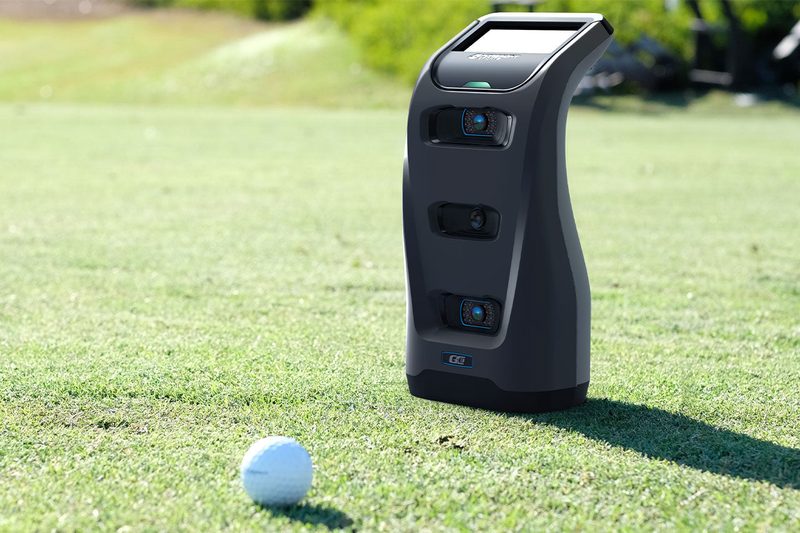
Foresight builds the camera-based units used on the PGA Tour and in club-fitting bays worldwide. The GC3 is the most affordable unit that uses Foresight's photometric approach - three high-speed cameras capturing the ball and club at impact. Because it photographs impact directly, it measures spin rate, spin axis, launch angle, and club-face data rather than estimating any of it.
In independent testing and among sim owners, the GC3 is consistently described as the closest consumer-priced unit to a full GCQuad or TrackMan, which is why it's the accuracy benchmark for the tier below it. It works equally well indoors and outdoors, needs no subscription for its core data, and drives every major simulator platform. The only real knock is price: at around $3,799 it costs more than most home golfers want to spend - which is exactly why the Bushnell Launch Pro below exists.
Technology
Photometric (3-camera)
Spin
Directly measured
Indoor Accuracy
Excellent
Sim Compatible
Yes - all major platforms
Subscription
Not required for core data
Price
Around $3,799 - check current price
✅ Pros
Closest consumer unit to tour-grade reference
Directly measures spin - no estimation
Equally accurate indoors and outdoors
Drives every major simulator platform
❌ Cons
Expensive for a home setup
The Bushnell Launch Pro offers similar data for less
#2 - Bushnell Launch Pro (Most Accuracy Per Dollar)
💡 Best Value AccuracyForesight Sensor
Bushnell Launch Pro - around $2,500
The same photometric engine as a $7,000 Foresight, for a fraction of the cost.
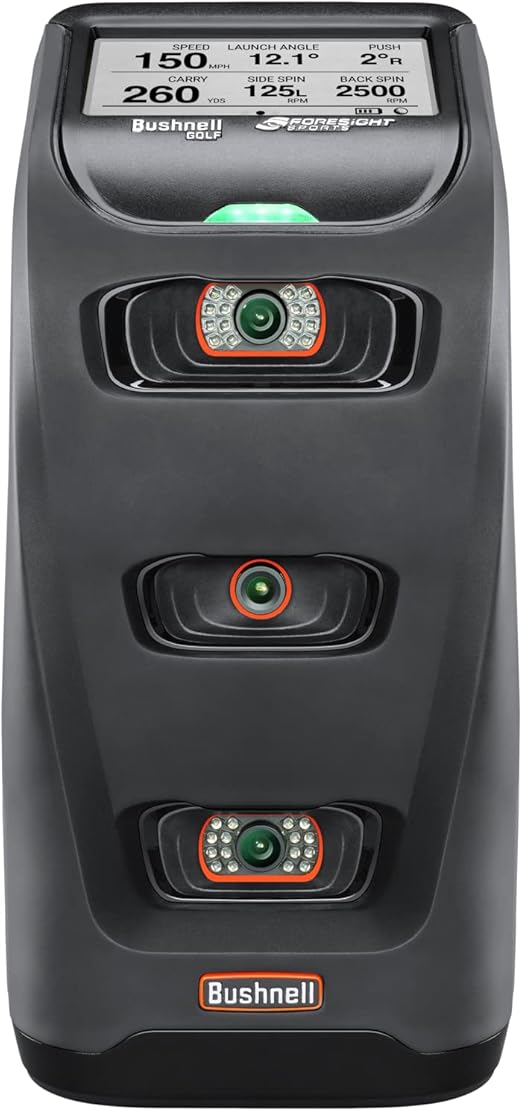
Here's the open secret of launch monitor accuracy: the Bushnell Launch Pro is built on Foresight's photometric sensor - the same core technology inside the GC3 and the tour-grade GCQuad. Out of the box it directly measures ball data, and a software unlock enables full club data. That means genuinely photometric, directly-measured accuracy at around $2,500.
For anyone whose top priority is accuracy but who can't justify GC3 money, this is the pick. Owner comparisons routinely put its ball data right alongside the GC3's, because it's fundamentally the same measurement engine. It's a camera unit, so it thrives indoors where directly-measured spin matters most - ideal for a home simulator. The trade-off versus the GC3 is club data behind a paid unlock and a slightly less polished software experience, but on pure measured accuracy for the money, nothing else near this price competes.
Technology
Photometric (Foresight sensor)
Spin
Directly measured
Indoor Accuracy
Excellent
Club Data
Via software unlock
Sim Compatible
Yes (FSX / major platforms)
Price
Around $2,500 - check current price
✅ Pros
Foresight photometric sensor at ~1/3 the GC3 price
#3 - SkyTrak ST MAX (Camera Accuracy Under $3,000)
📷 Camera + RadarSim-Owner Favorite
SkyTrak ST MAX - around $1,995
The consumer photometric unit sim owners trust for repeatable numbers.
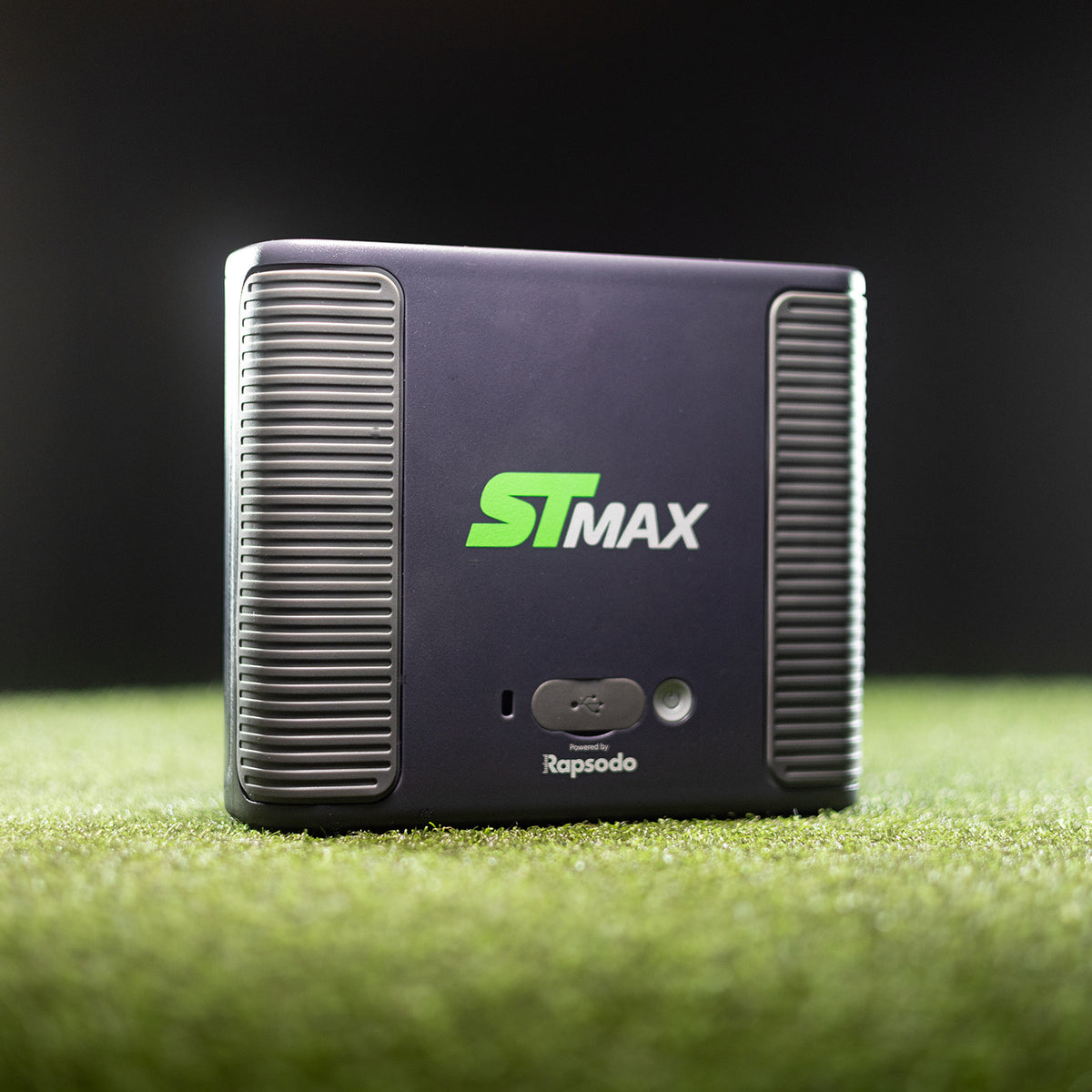
SkyTrak built its reputation on delivering camera-based accuracy at a price home golfers could reach, and the ST MAX is the current-generation successor to the popular SkyTrak+. It fuses a photometric camera with dual Doppler radar and measures ball data directly, and for years owner comparisons have reported SkyTrak numbers landing within a few percent of pro-grade reference units on ball metrics - the kind of consistency that makes it a fixture in home simulator builds.
At around $1,995 it sits below the Bushnell on raw measurement breadth but remains one of the most trusted names for repeatable, believable data indoors. If you want a proven photometric unit with a huge simulator-software ecosystem and a long track record, the ST MAX earns its place. Note that some SkyTrak software tiers carry an annual subscription, so factor that into the total cost.
You can't buy more accuracy per dollar - as long as you're outdoors.
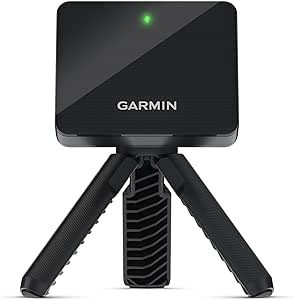
Accuracy has a price floor, but the Garmin R10 sits impressively close to it. It's a Doppler radar unit at around $500, and here's the key nuance: its accuracy jumps noticeably outdoors, where the radar gets a full ball flight to track rather than estimating from a few feet indoors. For range practice and outdoor use, owner comparisons put its ball speed and carry numbers surprisingly close to far pricier units.
Being radar, it estimates spin rather than measuring it, so it won't match a photometric unit for indoor spin accuracy - that's the honest trade for the price. But no camera unit comes close to the R10's cost, and for a golfer who mostly practices outdoors and wants trustworthy speed and distance data, it's the value-accuracy king. It also adds simulator compatibility (Home Tee Hero, E6 Connect) that budget rivals lack.
The Reference Tier: TrackMan, Foresight GCQuad & Uneekor
If the question is literally "what is the single most accurate launch monitor," the honest answer is the professional reference units - and you won't be casually buying one. TrackMan (the dual-radar TrackMan 4 and the camera-based TrackMan iO at around $13,995) is the yardstick tour players and broadcasters use. Foresight's GCQuad is its photometric equivalent in fitting bays. These are the units every consumer monitor gets measured against.
A step below sits the semi-pro tier that's still buyable for a serious home: the Uneekor Eye Mini (around $4,500) brings overhead-free photometric accuracy, and the Foresight GC3 above is the entry into genuine tour-lineage measurement. Unless you're building a commercial fitting studio, the GC3 or Bushnell Launch Pro gets you 95% of reference-grade accuracy for a fraction of the money - which is why they top our buyable list rather than TrackMan.
Worth an honorable mention for value: the Rapsodo MLM2Pro (around $599.99) is a radar-camera hybrid whose spin data is more reliable than pure radar at its price - a smart middle ground if the Bushnell is out of reach but you still want measured spin.
Accuracy Comparison: Top Picks
Unit
Technology
Spin
Best Accuracy
Price
Foresight GC3
Photometric
Measured
Indoor & outdoor
Around $3,799
Bushnell Launch Pro
Photometric
Measured
Indoor
Around $2,500
SkyTrak ST MAX
Camera + radar
Measured
Indoor
Around $1,995
Uneekor Eye Mini
Photometric
Measured
Indoor & outdoor
Around $4,500
Rapsodo MLM2Pro
Radar + camera
Measured (hybrid)
Outdoor
Around $599.99
Garmin R10
Radar
Estimated
Outdoor
Around $500
Editorial Independence: Rankings are based on independent third-party testing, published specifications, and owner comparisons - not our own bench tests. Affiliate links earn a small commission at no cost to you.
FAQ
Among professional reference units, TrackMan and Foresight's GCQuad set the accuracy standard - but they cost $10,000 to $25,000+. Of the units most golfers would actually buy, the Foresight GC3 (around $3,799) is the accuracy champion, using tour-lineage three-camera photometric tracking that directly measures spin. The Bushnell Launch Pro delivers nearly identical ball data for around $2,500 because it runs the same Foresight sensor.
For indoor use, generally yes. Camera (photometric) units measure spin and launch directly from images at impact, so they don't need the ball to fly. Radar units estimate spin on many consumer models and are most accurate outdoors, where they can track 30+ yards of real ball flight. See our full radar vs camera breakdown for which metrics each measures best.
Outdoors, the Garmin R10 (around $500) gets impressively close to pricier units on ball speed and carry distance, according to owner comparisons - it has room to track full ball flight. Indoors it's less accurate because it estimates spin from limited data. It's the best accuracy-per-dollar radar option, but a photometric unit like the Bushnell Launch Pro is more accurate for indoor simulator use.
It means a unit's readings - usually ball speed or carry distance - land within about 2% of what a reference TrackMan reports on the same shots in a comparison. On a 150-yard carry, 2% is roughly 3 yards. Those figures come from independent testing and owner comparisons, not from us. It's a useful benchmark, but real-world accuracy also depends on setup, calibration, and whether you're indoors or outdoors.
No. For most golfers, a unit that gives consistent, believable numbers matters more than matching a $25,000 machine to the decimal. A Garmin R10 outdoors or a photometric unit like the SkyTrak ST MAX indoors is plenty accurate to guide real practice. Chase reference-grade accuracy only if you're building a serious fitting or teaching setup. Not sure which fits you? Try our 60-second quiz.
Get Alerted When the Gear You Want Drops in Price
Hand-verified price checks on 20+ launch monitors and rangefinders. We only email when something meaningfully drops or a major sale hits. No daily deal spam. Free bonus: the golf distance cheat sheet, instantly.